
Touch is a Language and Most of Us Were Never Taught How to Speak It
For most of my life, I thought touch was something that either happened to you or something you gave to someone else.
You hug someone who is sad.
You hold a child who is crying.
You comfort a partner who is hurting.
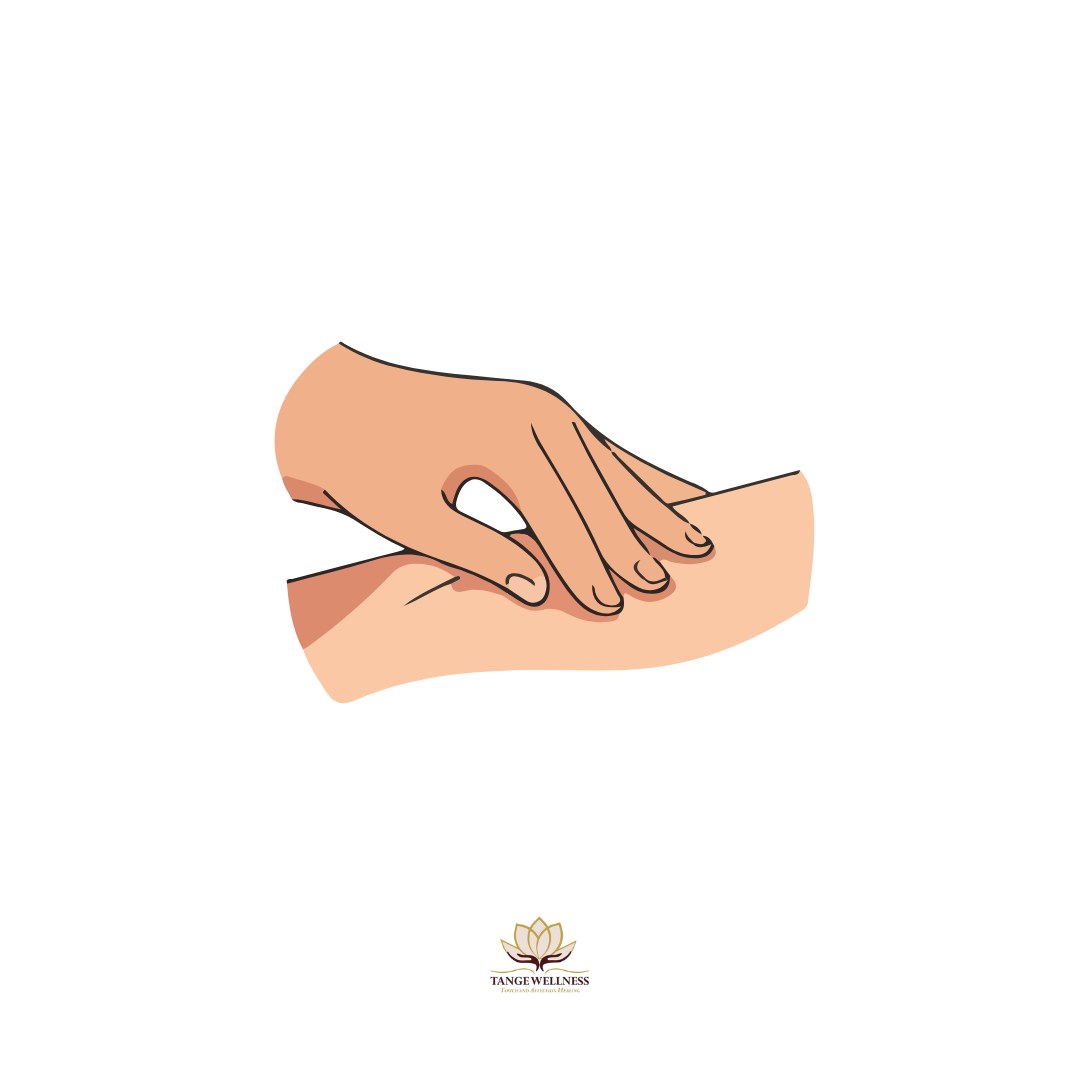
Very rarely are we taught that touch can be mutual, negotiated, and intentional. In my work as a platonic touch practitioner and cuddle therapist, I practice something called bidirectional therapeutic touch.
The simplest way to explain it is this: Touch becomes healing when both people are present and consenting.
Not performing.
Not enduring.
Participating.
When we make that distinction, it seems to change everything and help people put what it means to touch and be touched, into perspective.
The Problem: Most People Are Touch Deprived
We live in a culture where people are increasingly isolated.
People are busy.
People are stressed.
People are lonely.
I feel this deeply as I’m equally experiencing these things just like anyone else. However, what we don't talk about enough is how touch deprivation affects our nervous systems. Due to my lack of mutual touch, my anxiety has been through the roof.
Human beings are wired for physical connection. Safe touch can:
Lower cortisol
Increase oxytocin
Reduce anxiety
Help regulate the nervous system
Increase feelings of trust and belonging
So many adults go months or years without safe, nurturing touch. Once touch does happen, it often comes with confusion about boundaries, expectations, or consent.
What Makes Bidirectional Therapeutic Touch Different
Traditional models of care often assume one person is the giver and the other is the receiver. Human connection doesn't really work that way. In a bidirectional model, both people are engaged in the experience.
We talk about consent.
We check in with our bodies.
We practice asking for what we want.
We practice saying no when something doesn't feel right.
Clients often tell me something surprising after their first session:
"I've never had a space where my no was just as welcome as my yes."
That kind of safety allows people to relax in a way they haven't in years.
Touch Is a Language
Touch is a language and most of us were never taught how to speak it. We might have been taught rules, fears, and shame about touch. Very few of us were taught skills.
How to ask, listen, notice what our bodies are telling us, and care for another person while also caring for ourselves. These are learnable skills and when people start practicing them, something beautiful happens. They start to trust themselves again.
Who This Work Is For
This work is for people who crave closeness but feel unsure how to ask for it. It's for the ones who have been strong for everyone else for a very long time. It's for people healing from trauma, navigating loneliness, or learning how to feel safe in their bodies again. It's also for people who simply want to experience human connection that is intentional, respectful, and kind.
A Different Way to Experience Touch
In a world where so many interactions are rushed, transactional, or disconnected, bidirectional therapeutic touch offers something different. In this space we move at a slower pace within a safe container. It is a place where connection is built through presence and consent. For many people, that experience can be deeply restorative.
If you're curious about this work, either as a cuddlee or a cuddler, please schedule a consultation.
If this article resonated with you, feel free to share it with someone who might need a reminder that safe, nurturing connection still exists.
